
Models𝕏
ClaudeDevs
@ClaudeDevsClaude can now help you build evaluations and hillclimb on them. In this article, we share guidance on eval design & skills that Claude Code can use to improve your applications. https://t.co/PgKFC2DWth
45 original posts · author attribution and direct source links
ClaudeDevs
@ClaudeDevsClaude can now help you build evaluations and hillclimb on them. In this article, we share guidance on eval design & skills that Claude Code can use to improve your applications. https://t.co/PgKFC2DWth
OpenAI
@OpenAIGet ready. https://t.co/bsf4j6vspM
OpenAI Developers
@OpenAIDevsWe saved you a seat. See you tomorrow for the OpenAI DevDay keynote: https://t.co/NUSyPz99kp https://t.co/DlUDnZqQUC
Anthropic
@AnthropicAIClaude Sonnet 5.5 is now available:
Simon Willison
@simonwThe most important thing about Sonnet 5.5 is that it's now the model that powers the free tier on https://t.co/f1IGIsU4Hc - so all of this stuff can be done by free users ChatGPT's free tier is still GPT-5.6 Luna, which is a lot less capable
Cursor
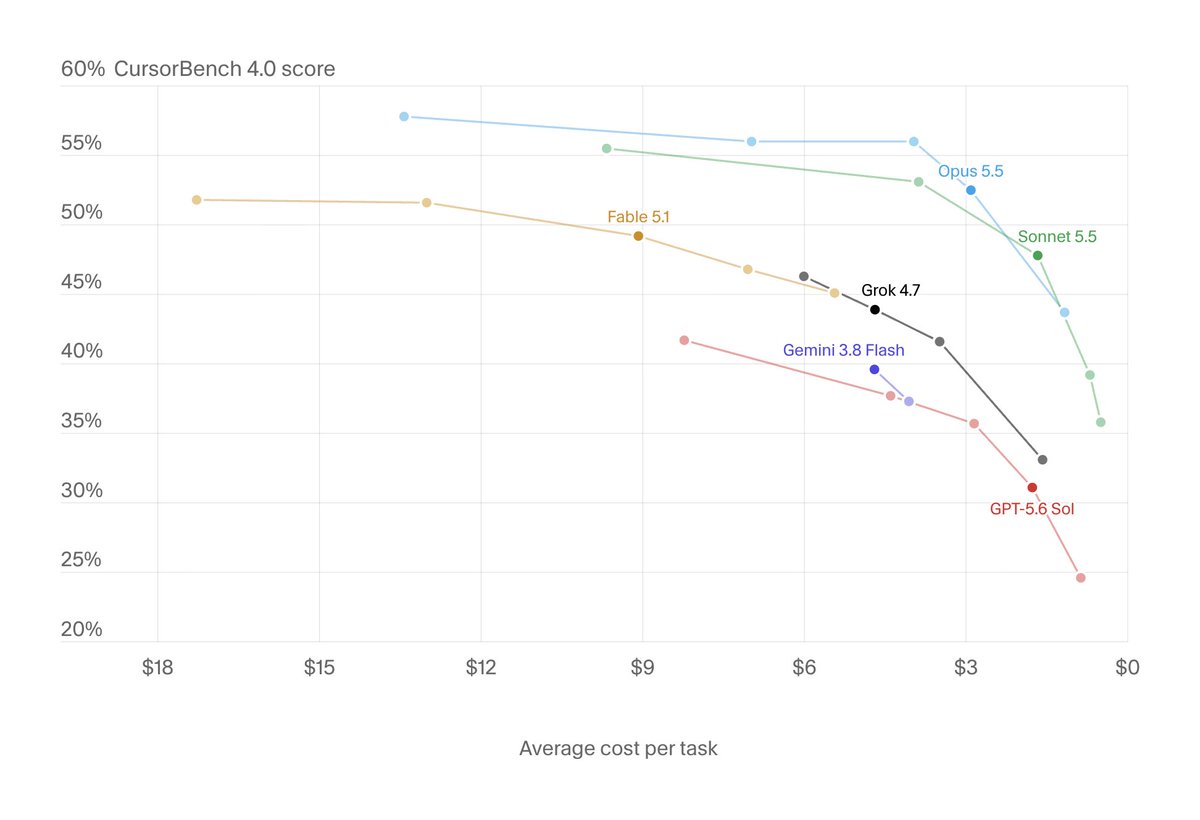
@cursor_aiSonnet 5.5 is now available in Cursor! It’s a strong model, performing on par with Opus in many tasks. https://t.co/iaJ5z67FVu
Cognition
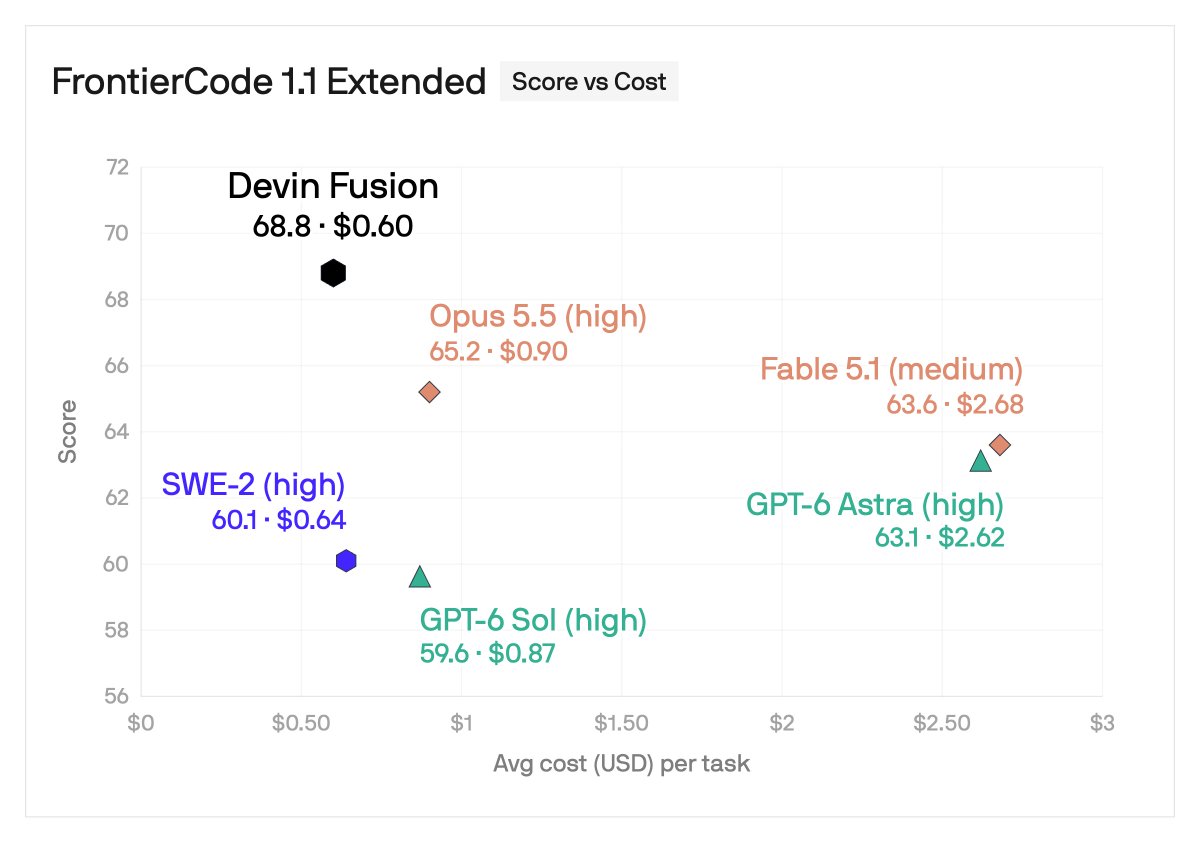
@cognitionToday we're introducing updates that make Devin significantly cheaper. It's now: ▪️ 30–40% cheaper in Fusion and Normal ▪️ 15–20% cheaper in Ultra ▪️ Up to 70% cheaper in Devin Review All while improving capabilities – Devin Fusion now ranks first on FrontierCode 1.1 Extended. https://t.co/zj0yXe8FJ8
Cognition
@cognitionDevin Mobile is now available in beta. Join the waitlist at the link below. https://t.co/OooQUYKmLT
AI at Meta
@AIatMetaIn the past 6 months... - Muse Spark - Muse Image - Muse Video - Muse Spark 1.1 - Meta Model API - Muse Glimmer - Muse Spark 1.2 - Muse Code - Muse Spark 1.3 - Muse ...and we’re just getting started. 🚀 https://t.co/94e6uYPhZL
OpenAI Developers
@OpenAIDevsMeet the winners of The WebMCP Challenge. These 10 projects show what people and agents can build together when websites expose structured tools agents can use. 🧵 See the winning projects and the builders behind them: https://t.co/fynh6v6hCr
Simon Willison
@simonwI've published detailed notes and an annotated transcript to accompany the video of the keynote I gave at @WeAreDevs World Congress North America in San Jose on Friday - here's my rundown of everything that's happened with LLMs and agents in 2026 so far https://t.co/iENa7bKmdF
Cognition
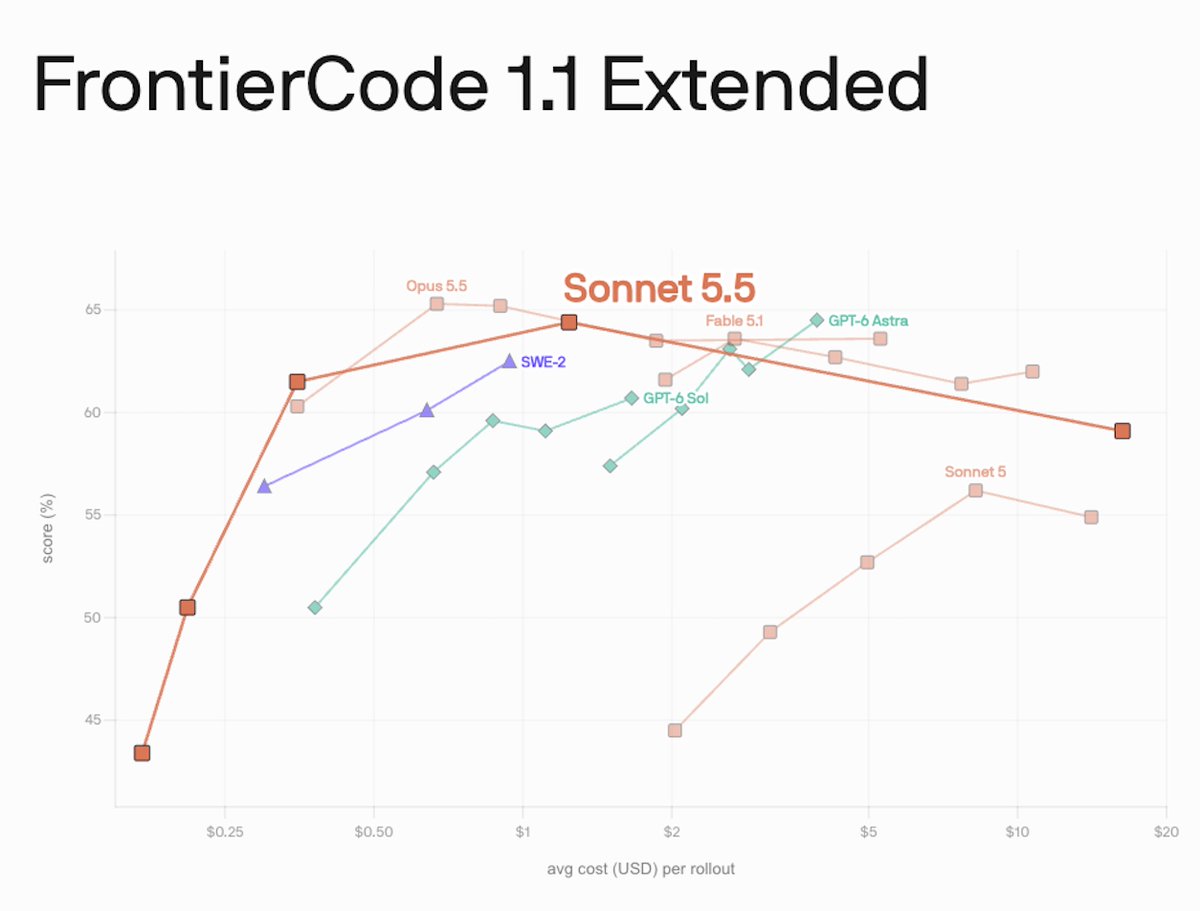
@cognitionClaude Sonnet 5.5 is now available in Devin Desktop and Devin CLI. On FrontierCode 1.1 Main, it scores 64.4%, a significant improvement from Sonnet 5 (56.2%), surpassing Fable 5.1 at extra high reasoning effort. https://t.co/DBlp4p0VB7
Vercel
@vercelIf it's fast, it's on Vercel. We just made @MercedesAMGF1 even faster. Live at https://t.co/1AhAixBkw4 https://t.co/d4Htmru2L4
Rive
@rive_appRive Editor 0.9 is live 🚀 Every feature planned for 1.0 is now in: keyboard and gamepad input, text fields, focus, accessibility, grid layouts, and free plan export. Next up is stability, so build something real and send feedback 👀 https://t.co/WcyZXBwSY2
Google AI
@GoogleAIhttps://t.co/TnNl6XmL15
Visual Studio Code
@code🆕 Claude Sonnet 5.5 is now generally available in @code with GitHub Copilot! Built for everyday coding tasks, it matched Sonnet 5 in early testing while using fewer steps, tokens, and tool calls. ⚡️ Give it a try today! 🚀
Cognition
@cognitionhttps://t.co/rqcBypIUZr
GitHub
@github🆕 @AnthropicAI's Claude Sonnet 5.5 is now generally available in GitHub Copilot. Designed for well-scoped everyday work like building features and fixing bugs, Claude Sonnet 5.5 stood out for its efficiency in our early testing: It matched Sonnet 5 on coding tasks while using significantly fewer steps, tokens, and tool calls. Plus, it finished tasks noticeably faster. ⚡️ Try it out in the GitHub Copilot app, CLI, and @code. https://t.co/wZTQiZIEs7
Simon Willison
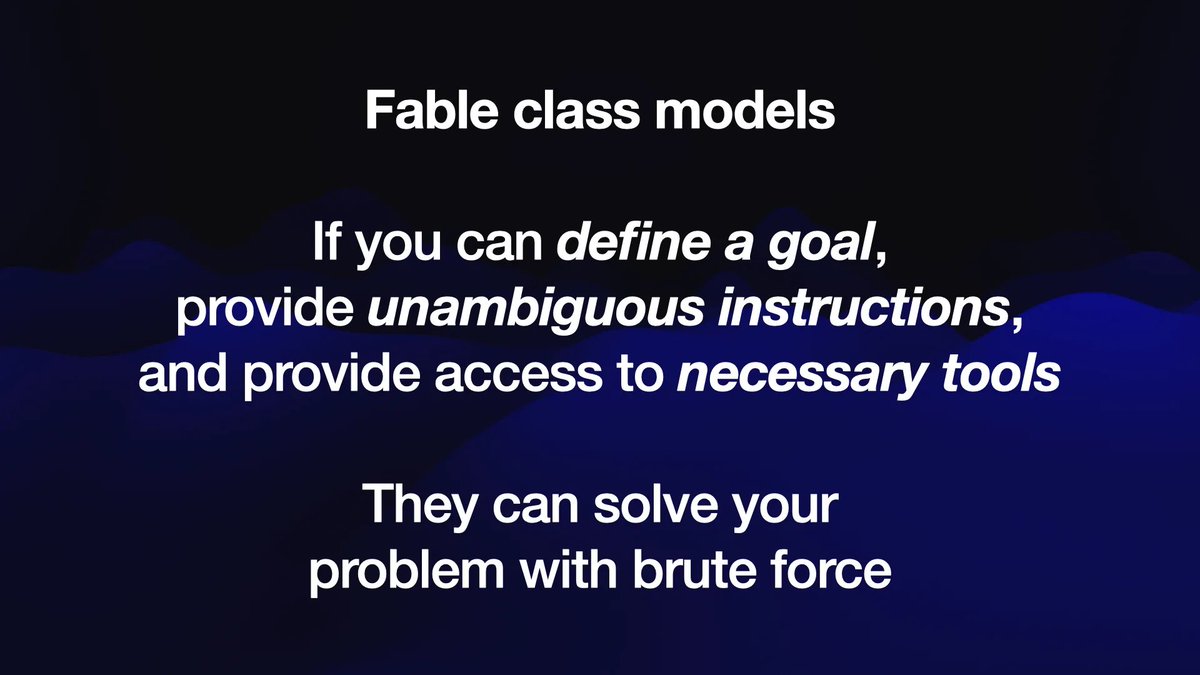
@simonw@WeAreDevs Here's how I define "Fable class models" - first Claude Fable 5, now Claude Opus 5.5 and GPT-Astra 6 and maybe GPT-5.6 Sol as well https://t.co/NHBcy0p2en
Visual Studio Code
@code🎬 How did VS Code make language support easier to build across editors? Explore the story behind language servers and the common protocol that helped shape the VS Code experience. 🍿 Watch The Story of VS Code: https://t.co/Q7cZIVisns https://t.co/S8mWSeYnBI
Framer
@framerBuild more pages that actually feel like they belong on your site. Your /design-system skill keeps the same styles, components, typography, and layouts across every new page. https://t.co/i7vVOSiFw4
LangChain
@LangChainWhat separates a simple agent from one that can reliably work through complex, long-running tasks? It comes down to the harness around the model: how the agent plans, manages context, uses tools, and breaks work into smaller steps. In our upcoming virtual workshop, we’ll walk through these patterns and give you a practical look at how Deep Agents are built. Choose the session that works best for your region: 🌍 EMEA: https://t.co/f2IO2pnKKL 🌏 APAC + ANZ: https://t.co/8YHpHNNcCw
LlamaIndex 🦙
@llama_indexDocument parsing requires a lot of on-the-fly decision making. We explored the early approaches to Jev and Jev-like models on several documents tasks like orientation detection, language detection, routing, and more. https://t.co/U9urKwcORE
Hugging Face
@huggingfaceWhat would you like to see in Gradio? Drop your feature requests below 👇
Cognition
@cognitionModel independence lets us call the best model for each part of Devin’s work. We continue refining the harness around them by batching more work per call, running more actions in parallel, and making the most of cached context. Read how the latest models and harness improvements deliver better price-performance: https://t.co/K0NSmT4mEM
Simon Willison
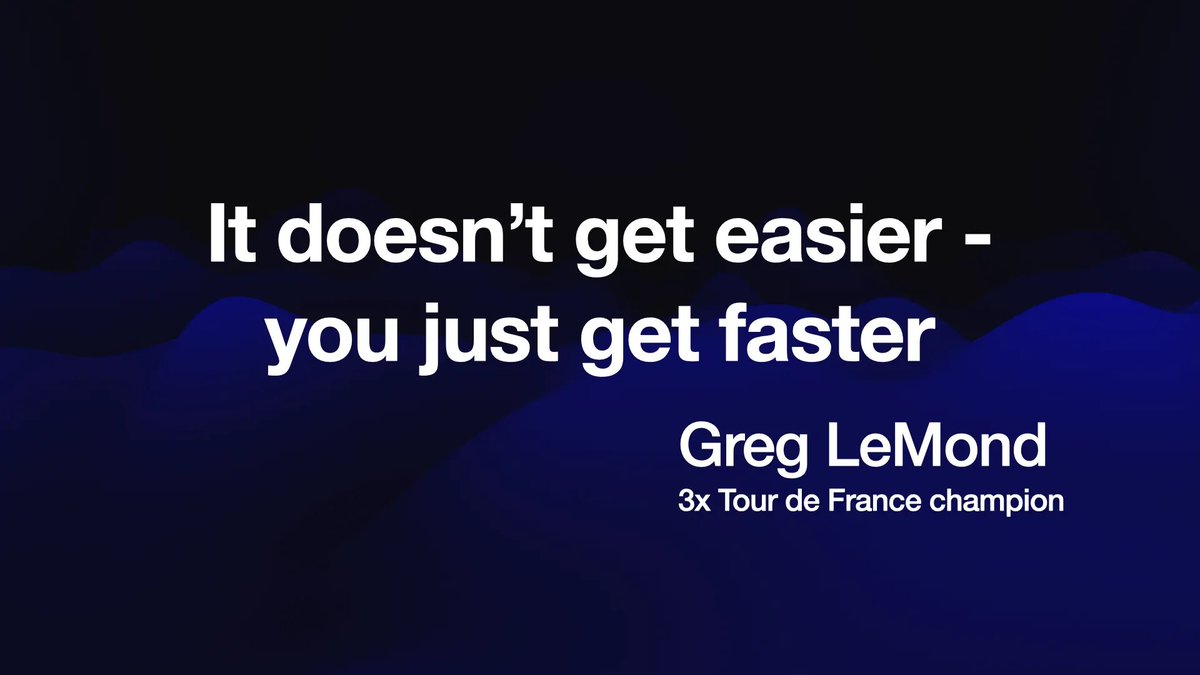
@simonw@WeAreDevs And my closing thought on how this stuff impacts our lives as software engineers, with a quote from cycling champion Greg LeMond https://t.co/67kIOqlVIY
LlamaIndex 🦙
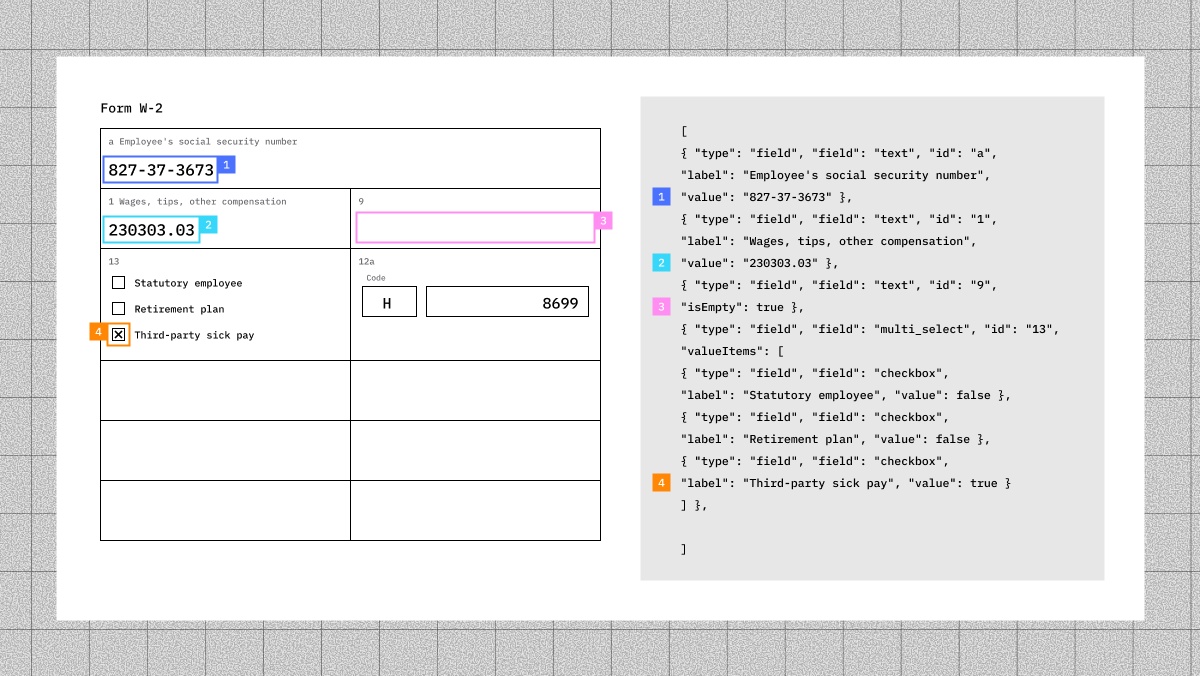
@llama_indexParsing forms still trips up the latest frontier VLMs. A form isn't text on a page. It's a set of fields, grouped into sections, each tied to a specific box. That's why forms need purpose-built parsing, not a bigger general model: ✅️ Detect every field, not just the obvious ones ✅️ Keep the hierarchy of sections and fields ✅️ Tie every value to the exact box it came from ✅️ Understand handwriting and checkmarks Our latest blogpost breaks down where VLMs fail on real W-2s, 1040s, W-9s and scanned W-4s, and a custom cookbook for LlamaParse to handle them at a fraction of the cost 👇 https://t.co/KPTrjhvuby
LangChain
@LangChain🍽️ @wonder is building an agent that plans, orders and ensures delivery of all 21 of your weekly meals, while handling all customizations and customer service resolutions. With LangSmith, they swapped log debugging for LLM-as-judge scoring. A PM can file a bug and Claude Code fixes it from the trace. ⏯️ @ktech9999’s story
OpenAI Developers
@OpenAIDevsJupyterLite WebMCP brings an agent into your live notebook to edit cells, run code and review changes together. Built by Allison Coleman and Juan Mendoza. https://t.co/GFlSqjhdqF https://t.co/WB7YEkKU3X
OpenAI Developers
@OpenAIDevsFaraday by @thegreataxios lets an agent navigate 3D scans through WebMCP while the scan stays in the browser. Built for research and education. https://t.co/yTdVKmEwIb https://t.co/RlG4AhREyB
OpenAI Developers
@OpenAIDevsAisle takes on the wedding seating puzzle with a WebMCP agent that respects guest relationships and pinned seats. Built by Eri Alipaj. https://t.co/dHlGPZVeh3 https://t.co/NlH64nlqQ2
LangChain
@LangChainProud to be a launch partner on @nvidia's new Open Agent Safety Platform.
LangChain
@LangChainWith LangSmith Engine v2, you can: 1️⃣ Proactively detect issues before they appear in production with Red Teaming 2️⃣ Quickly resolve agent issues with fixes validated in your environment 3️⃣ Detect harder-to-spot issues like inefficient agent work and metric trends https://t.co/Qb5rsGEmlC
LangChain
@LangChainThis just in: @sydneyrunkle sat down with @jlowin and @zzstoatzz from @PrefectIO to talk about the new MCP spec + FastMCP, Jev, evals, and more! Give it a listen! https://t.co/MLnINAdPXL
Cognition
@cognitionWhile the token prices for Sonnet 5.5 remain the same as Sonnet 5, Anthropic reports more than 30% faster output generation and up to 30% lower cost per task than Sonnet 5, with unchanged token pricing. https://t.co/YgOhlRTC21
Rive
@rive_appFor a full list of updates you can see the announcement post here! https://t.co/Za51bTxEFt
Simon Willison
@simonw@WeAreDevs (The full talk also covers New Zealand’s Kākāpō parrot breeding season, probably the best news of 2026)
School of Motion
@SchoolOfMotionThis week Greyscalegorilla tackles three everyday Cinema 4D headaches, Figma and Weave turn a trading-card design into a reusable workflow, and Andrew Price tests whether viral AI 3D demos survive contact with Blender. It's Motion Mondays! Watch the full episode now ➡️ https://t.co/tGSyl8MXMe
GSAP
@greensock💚 Site of the Day - Dmitrii Dark - Portfolio Dmitrii Dark - @DarkThePsy ⚙️ ScrollTrigger, ScrollSmoother 🛠️ Astro site → https://t.co/FSfKz7EIRt showcase → https://t.co/zGjV9MynPN https://t.co/GM4jPFAg3h
LangChain
@LangChainUsman Javaid, Group Chief AI Officer at @orange is headlining Interrupt, The Agent Conference by LangChain. Catch his talk + more on October 13th. https://t.co/GCNitijjvm https://t.co/hw4M2qZYPk
Cognition
@cognitionTry it out today: https://t.co/y3humFLPXs
Framer
@framerLearn more about skills ↓ https://t.co/X8CJkBiqQr
Rive
@rive_appAnd some fixes can be seen here https://t.co/mrOj2qVNun
Motionographer®
@motionographerDear Upstairs Neighbors | Connie He Sleepless nights. Noisy neighbors. An exhausted imagination running wild. In her six minute animated short, Pixar alum Connie He turns the frustration of insomnia into a colorful, increasingly unhinged journey. Behind it: 27 storyboard versions and a collaboration between filmmakers and Google DeepMind researchers, using generative models fine tuned on the team’s own concept art. For Motionographer® speaks with Connie about preserving comic timing, translating personal experience into production design, and helping artists and researchers understand what each needs to make a film. A conversation about craft, control, and what happens when a machine learns the visual details its artists hadn’t thought to explain. Read the full article: https://t.co/baBJTAnkns #DearUpstairsNeighbors #ConnieHe #Animation #MotionDesign #Filmmaking #mtngrphr #motionographer
LangChain
@LangChainChoose the session that works best for your region: 🌍 EMEA: https://t.co/RQEVRXIyy5 🌏 APAC + ANZ: https://t.co/t3KIXr75J8