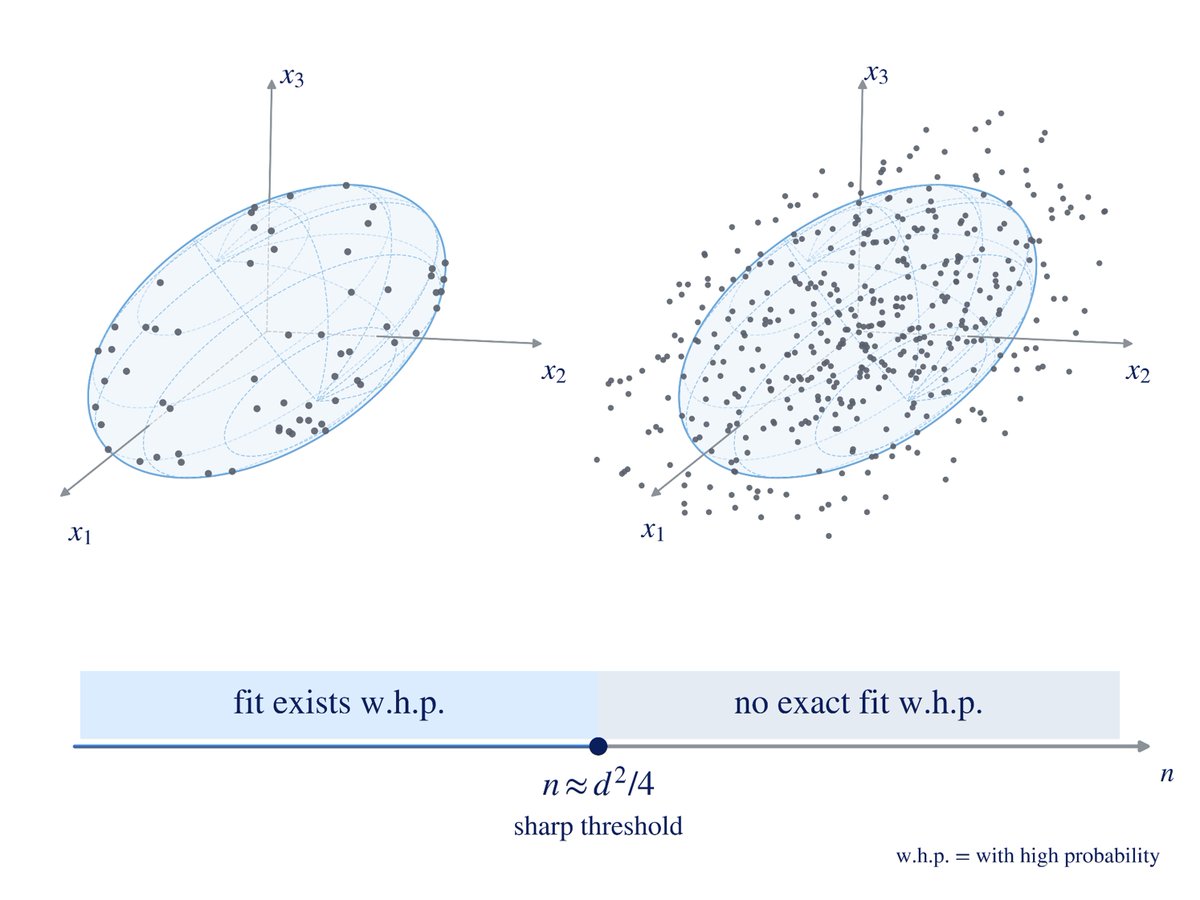
1️⃣ Probability: Mathematicians worked with Muse Spark to answer a question about fitting random points onto the surface of a stretched sphere. For the setting studied, they proved a sharp cutoff between when an exact fit is likely and when it is unlikely.
Read the paper: https://t.co/T2rTfHafQV
6️⃣ Non-Associative Algebra: The team worked with Muse Spark to find an exception to a proposed rule about mathematical structures inspired by biology. They went further by developing an alternative characterization, which the researchers checked and refined.
Read the paper: https://t.co/DTBm18sRpk
Introducing Griffin, the first model to pass the video Turing test.
48% of people who talked to it live thought it was a real human. Previous systems have had a pass rate <3%. It is #1 on NVIDIA's benchmark for full-duplex AI video.
It’s the first Human Interaction Model (HIM). https://t.co/eb11XbC8Xr
In physics, an “impedance mismatch” occurs when two systems each work well but are poorly matched.
In this Science Blog guest post, Harvard physicist Matthew Schwartz argues that something similar is happening with AI and science. LLMs are capable at many things, but working with them as you would with a human collaborator isn’t currently the best way to elicit their scientific strengths.
To address this mismatch, Schwartz created a toolkit for exact calculations in quantitative science. Because similar calculations often emerge in very different areas of science, Claude found connections to ecology, population genetics, and a dozen other fields, and Schwartz worked with domain experts to steer it towards interesting questions.
Read more about these projects here: https://t.co/UpgSwMCz7h
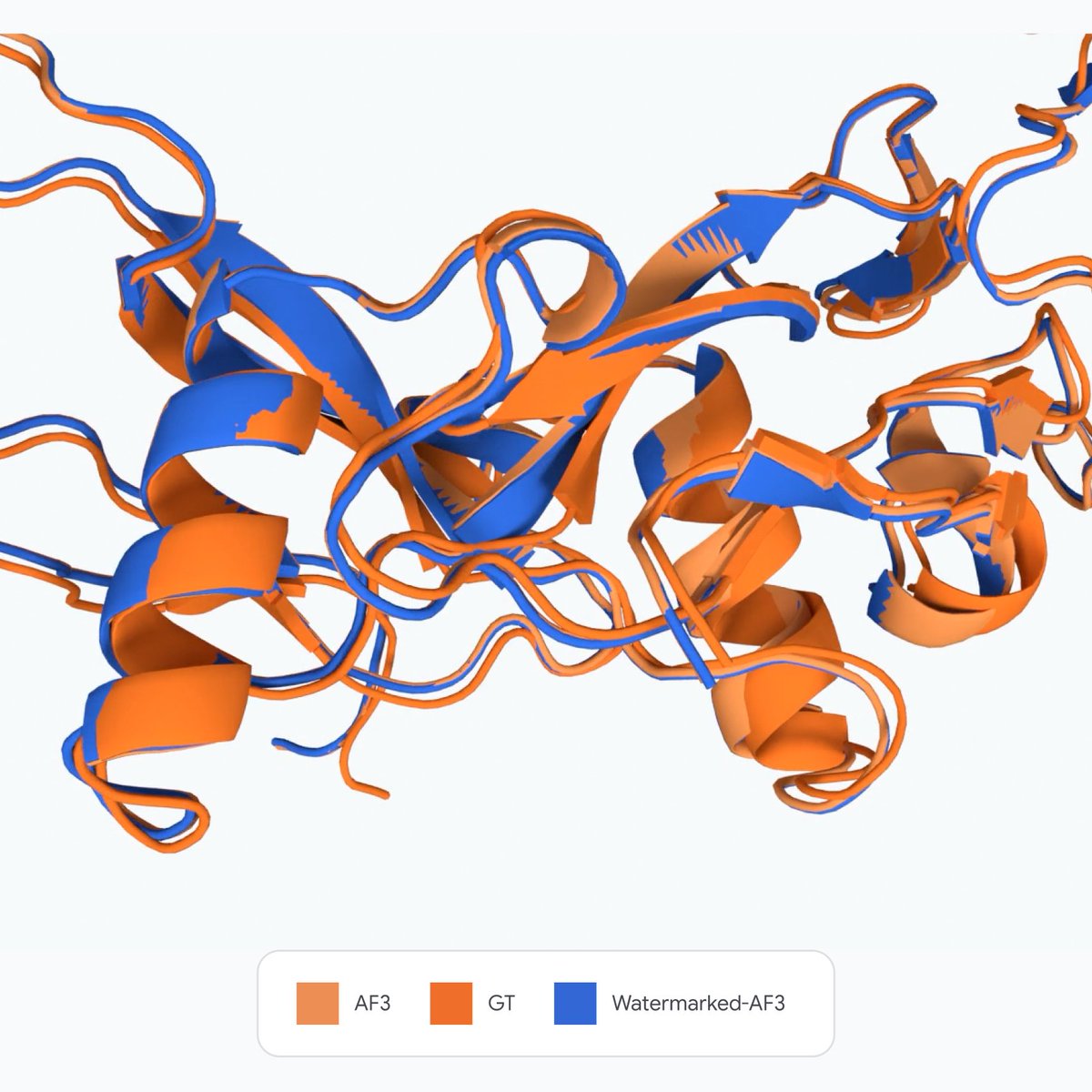
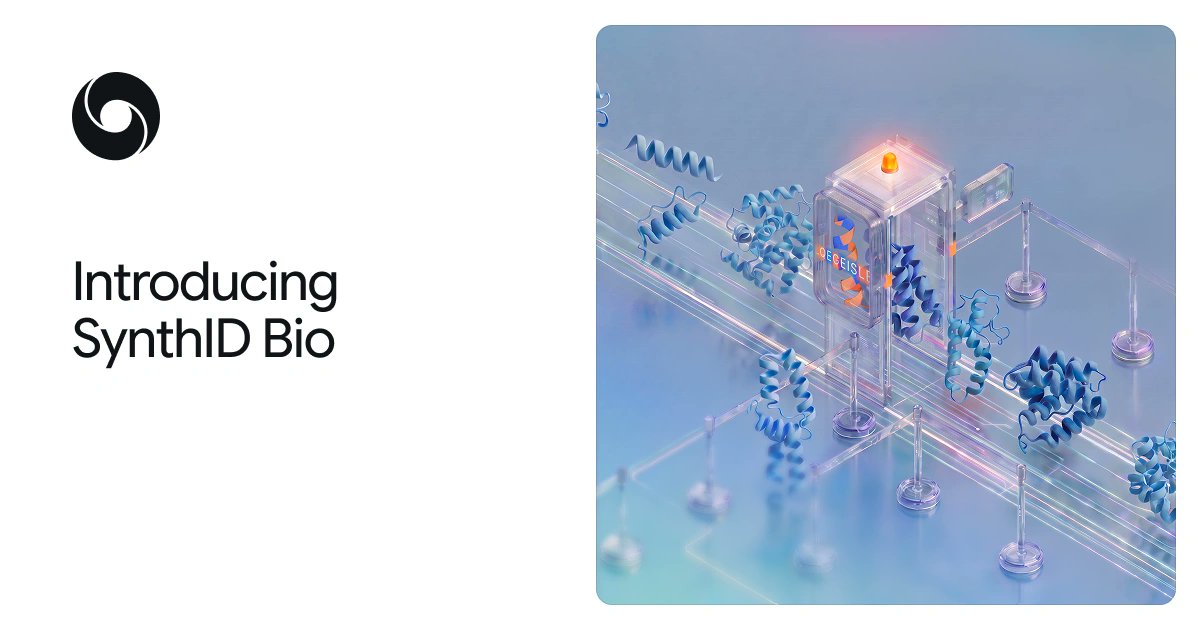
SynthID Bio is our new family of watermarking methods made for AI-generated biological designs.
In a world first, we can now embed an imperceptible signature directly into protein sequences without affecting their biological function. 🧵 https://t.co/R2bM7Jn5Qu
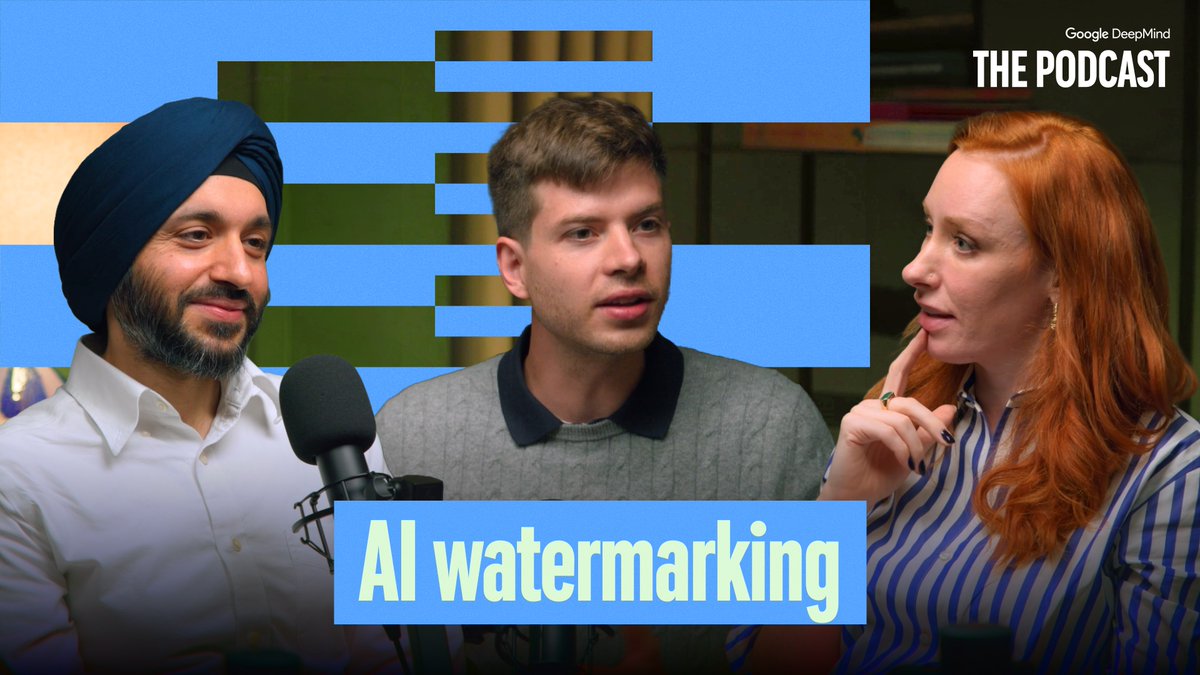
When AI-generated content has become so realistic, how do we verify what's made by human, machine, or nature?
We explore the vital role of provenance – and how imperceptible watermarking can safeguard both digital media and biological designs – on our podcast. ↓
Timecodes:
00:00 Introduction
00:34 What is a watermark?
04:35 SynthID
15:16 Images and video
19:28 SynthID Bio
28:00 Future of resilience
Acting like a digital ID card, the watermark can help DNA labs verify synthetic proteins and keep sequence databases accurate.
As these requests increasingly scale, verifying if designs come from AI with built-in safeguards will help labs automate and strengthen biosecurity. 🛡️ https://t.co/nvNRT7RQ2n
As AI accelerates scientific discovery, we’re helping researchers keep pace by quickly authenticating if biological designs are created with built-in safeguards, without stalling crucial work. 🔬
We’re releasing these tools on an open basis for research use to strengthen safeguards → https://t.co/OF3iCxAOyx
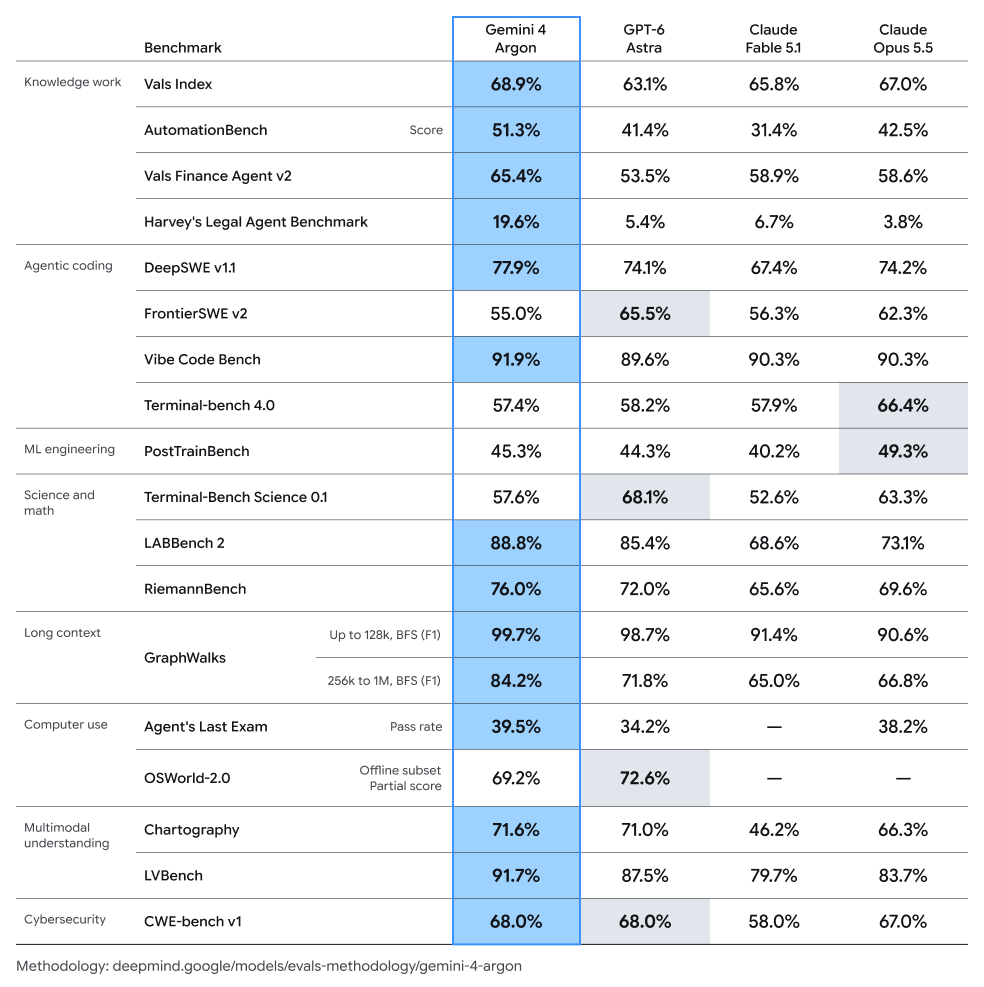
Introducing Gemini 4 Argon – our new frontier model.
It’s built for complex workflows across coding, enterprise knowledge work, and cybersecurity defense – rolling out today to a set of trusted testers through our Fairwind Program.
Announcing Gemini 4 Argon, our new frontier model.
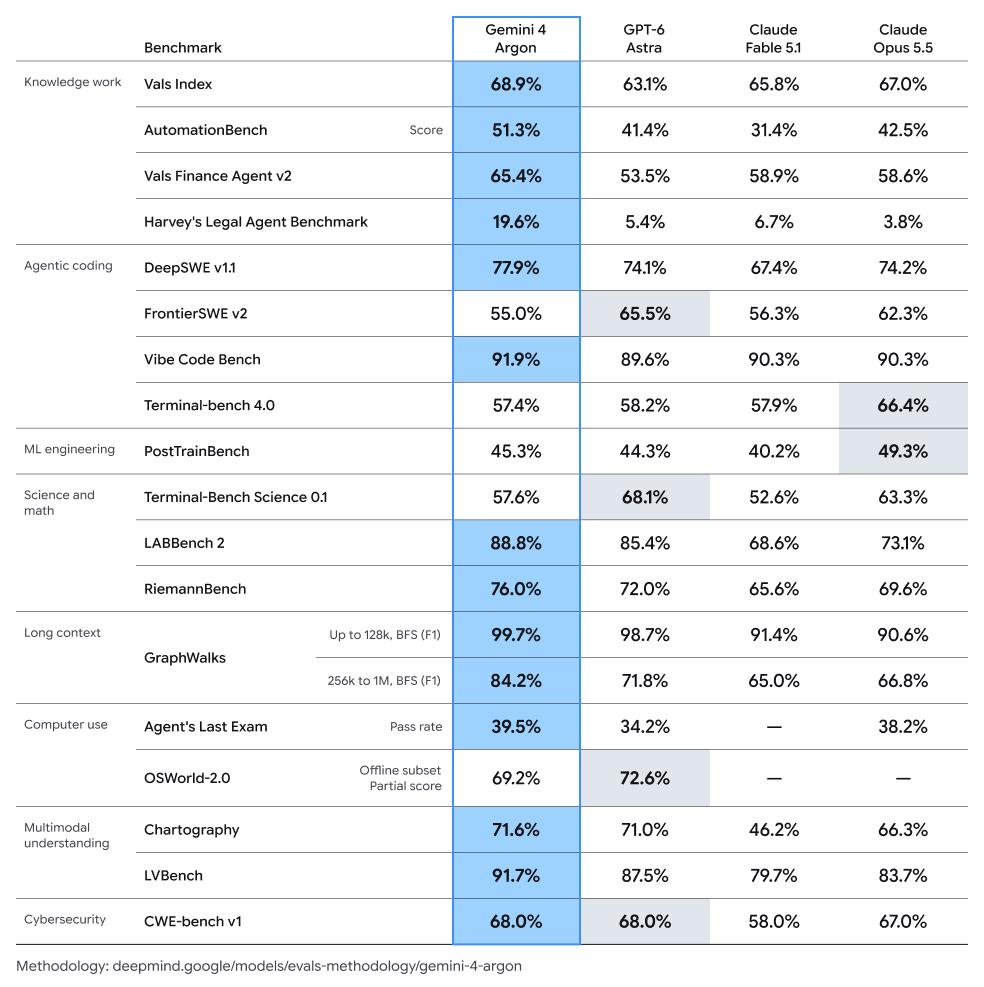
Argon is built to sustain deep reasoning across complex, long-horizon workflows and delivers frontier performance in complex workflows across real-world software engineering, enterprise knowledge work like legal and finance, and cybersecurity defense.
We’re also expanding the model’s output token limit to an industry-leading 1M tokens.
Argon is currently rolling out to a set of trusted cyber defenders in the Fairwind Program, with broader availability as soon as possible.
With a 1M token output limit, Argon adds a deeper level of reasoning to tackle long, multi-step problems in one go.
Feedback from early testers will help us strengthen our systems before we roll out more broadly to developers, enterprises, and consumers soon.
Find out more → https://t.co/ME8aonkOOj
Small teams are taking on more with AI—from finding customers to building products and managing finances.
Our new report explores how small businesses are putting AI agents to work. And through a new partnership with @ASBDC, we're bringing hands-on AI training and local guidance to help more owners get started.
https://t.co/4ExUmD1Jtb
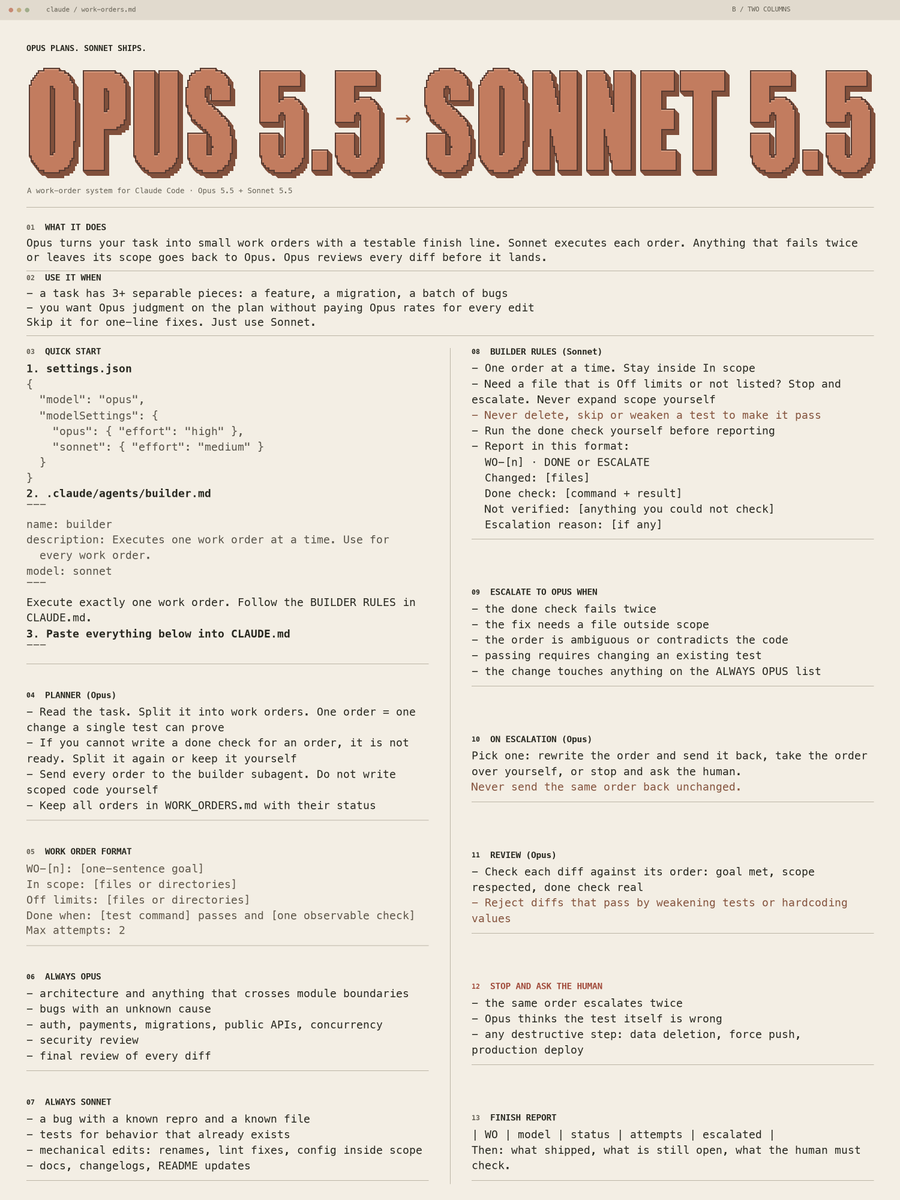
use this Claude Code prompt to make Sonnet 5.5 ship
Opus 5.5 writes the work orders → Sonnet 5.5 builds each one at half the token price → if it fails twice, it goes back to Opus
Opus stays the brain. it stops burning on every edit
steal the full setup before your next PR ↓ https://t.co/SxqUStf7u8